A kitchen renovation is one of the most rewarding home improvement projects because it enhances both the functionality and value of a home. Homeowners often choose to upgrade their kitchens to create a more efficient cooking space, modernize outdated designs, or improve overall comfort and aesthetics. JL Signature Builds helps homeowners navigate these renovations, ensuring every project is thoughtfully planned and expertly executed. However, before diving into the project, it’s important to understand the costs involved. Knowing what to expect financially allows homeowners to plan effectively, set a realistic budget, and prevent unexpected expenses. This guide will walk you through everything you need to know about kitchen renovation costs, from average pricing and budget planning to material selection and hidden expenses, so you can make confident, well-informed decisions every step of the way.
Kitchen Renovation vs. Kitchen Remodel
While the terms kitchen renovation and kitchen remodel are often used interchangeably, they actually refer to two distinct types of projects. A kitchen renovation focuses on updating and refreshing existing features without altering the overall layout or structure. This could include painting cabinets, replacing countertops, upgrading appliances, or installing new lighting. Renovations aim to improve appearance and functionality while maintaining the kitchen’s original footprint. JL Signature Builds helps homeowners execute both renovations and remodels with expertise, ensuring high-quality results that match each client’s vision.
In contrast, a kitchen remodel involves more extensive changes, such as reconfiguring the layout, moving plumbing or electrical lines, or knocking down walls to create an open-concept design. Remodeling typically requires a higher budget since it includes both aesthetic and structural modifications.
The scope of work directly influences the overall cost. Minor renovations can often be completed at a lower price point, while full remodels demand larger investments in materials, labor, and professional design services.
Examples include:
- Renovation: Repainting or refacing existing cabinets, updating backsplash tiles, and upgrading appliances.
- Remodel: Replacing all cabinetry, adding an island, relocating sinks or gas lines, and expanding the kitchen’s footprint.
Understanding these differences helps homeowners decide which option best aligns with their goals, timeline, and budget, with JL Signature Builds available to guide every step of the process.
Average Kitchen Remodel Costs in 2025
The cost of a kitchen remodel in 2025 can vary widely depending on the size of the kitchen, the scope of work, and the quality of materials used. Homeowners should expect to spend anywhere from $15,000 to over $75,000 for a complete remodel. Understanding what each project tier includes can help you set a realistic budget that matches your renovation goals.
Typical kitchen remodel costs by size and project type:
- Small kitchen: For compact spaces under 100 square feet, minor updates such as repainting cabinets, replacing hardware, or installing new lighting may range from $15,000 to $25,000.
- Mid-range kitchen: A moderate remodel that includes new cabinets, countertops, flooring, and modern appliances typically costs between $30,000 and $55,000.
- Luxury kitchen: A full-scale renovation with custom cabinetry, high-end finishes, premium appliances, and smart home integrations can range from $60,000 to $100,000 or more.
Several key factors influence the total cost of a kitchen remodel, including:
- Location: Remodeling costs are typically higher in major cities due to increased labor rates and permit fees.
- Materials: The choice between laminate and quartz countertops, stock and custom cabinets, or vinyl and hardwood flooring can make a significant difference in price.
- Labor and design: Hiring skilled contractors, designers, and specialized trades adds to the total investment but ensures quality and longevity.
By understanding these cost ranges and variables, homeowners can plan their projects more effectively and avoid financial surprises during the renovation process.
Understanding the Cost of a Kitchen
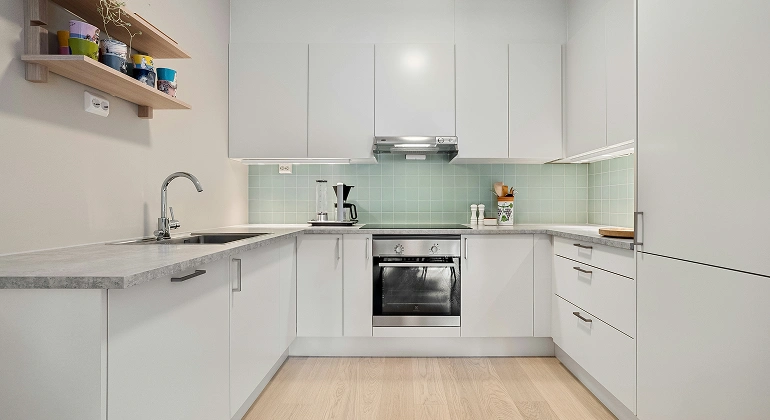
When planning a kitchen renovation, it’s important to understand what contributes to the total cost of the project. Each element of the kitchen plays a specific role in shaping both functionality and overall expense. Knowing where your money goes can help you make smarter choices and allocate your budget more efficiently.
Key cost components of a kitchen renovation include:
- Cabinetry and hardware: Often the most expensive part of the project, accounting for up to 40% of the total cost. Custom cabinets and quality finishes can quickly increase expenses, while refacing or repainting existing cabinets can save money.
- Countertops: The choice of material, whether laminate, granite, quartz, or marble, significantly affects the price. Durable, low-maintenance surfaces may cost more upfront but offer long-term value.
- Appliances: Energy-efficient and smart appliances can enhance convenience but may require a larger investment. Stainless steel options remain the most popular choice among homeowners.
- Flooring and lighting: These elements define the look and feel of the space. Options such as tile, hardwood, or luxury vinyl come at different price points, while layered lighting adds depth and functionality.
- Plumbing and electrical work: Moving sinks, dishwashers, or installing additional outlets can increase labor costs. Upgrading old wiring and plumbing ensures safety and compliance with modern codes.
Among these elements, cabinetry and countertops typically take up the largest portion of the budget, followed closely by appliances and labor costs. Understanding these categories allows homeowners to prioritize their spending and make adjustments that align with both their design goals and financial plan.
Setting a Kitchen Remodel Budget
Creating a realistic kitchen remodel budget is one of the most important steps in ensuring a smooth and successful renovation. Without proper planning, costs can easily spiral beyond expectations. Start by determining how much you’re comfortable spending overall, then break down that number into categories based on priority and necessity. This approach helps you stay organized and avoid overspending on less essential upgrades.
A good rule of thumb for budget allocation is:
- Cabinetry: 35–40% of total budget
- Appliances: 10–15%
- Countertops: 10–15%
- Flooring: 7–10%
- Lighting and electrical: 5–10%
- Plumbing: 5%
- Paint and finishes: 3–5%
- Labor and installation: 15–25%
Balancing aesthetics with practicality is key. While it can be tempting to splurge on luxury finishes, investing in durable materials and high-quality craftsmanship often delivers better long-term value. Consider which features truly enhance your kitchen’s functionality, such as efficient storage, energy-saving appliances, or easy-to-clean surfaces.
Budget Planning Checklist:
- Determine your total spending limit and financing options.
- Get multiple quotes from contractors and suppliers.
- Prioritize must-haves over nice-to-haves.
- Factor in a contingency fund for unexpected costs.
- Track all expenses to stay within budget.
With a clear and organized budget, homeowners can confidently move forward knowing each dollar contributes to a kitchen that is both beautiful and practical.
Don’t Forget the Contingency Fund
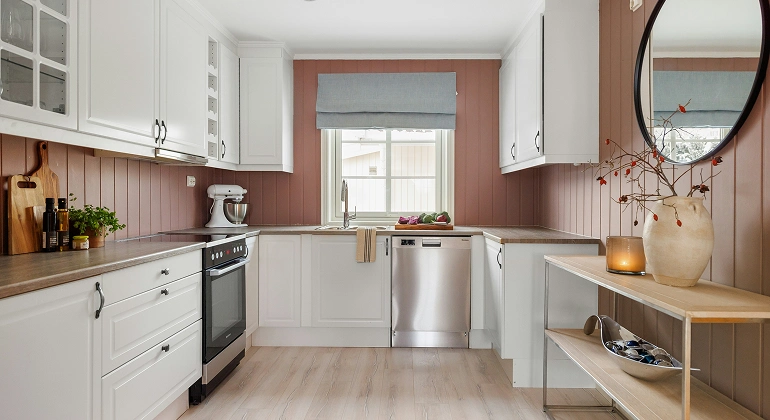
No matter how carefully you plan your kitchen remodel, unexpected costs can arise once construction begins. That’s why it’s essential to set aside 10–20% of your total budget as a contingency fund. This financial cushion ensures that surprises during the renovation process don’t derail your project or force you to compromise on quality and design choices.
A contingency fund is especially useful in situations where hidden issues are discovered after demolition or when supply chain delays impact material costs. Having extra funds readily available allows the project to continue smoothly without the stress of scrambling for additional money.
Common scenarios where a contingency fund becomes necessary include:
- Outdated wiring or plumbing: Older homes may require safety upgrades to meet current building codes.
- Structural damage: Hidden mold, water damage, or termite issues can surface once walls or floors are opened.
- Material shortages or price changes: Unexpected increases in material costs or delivery delays may require substitutions.
- Design adjustments: Homeowners sometimes choose to upgrade finishes or fixtures mid-project, which adds to the total cost.
By planning with a proper contingency fund, you protect both your renovation timeline and your financial stability. It allows for flexibility and peace of mind, ensuring your kitchen remodel stays on track even when the unexpected happens.
Hidden Costs Homeowners Often Overlook
Even with careful planning, kitchen renovation projects often come with hidden expenses that can catch homeowners by surprise. These additional costs may not appear in the initial estimate but can significantly impact the overall budget if not anticipated early on. Understanding what these hidden costs are and preparing for them helps prevent financial strain and keeps the project on track.
Common hidden costs in kitchen renovations include:
- Permit fees and inspections: Depending on your location and the scope of work, building permits and inspections can add hundreds or even thousands of dollars to your project.
- Structural repairs or mold remediation: Once demolition begins, issues like water damage, dry rot, or outdated wiring may be uncovered and require immediate attention.
- Delivery and disposal fees: Transportation of new materials and disposal of old fixtures or debris can add up quickly, especially for large-scale remodels.
- Temporary kitchen setup costs: During renovation, you may need to create a makeshift cooking area or rely on dining out, which adds to short-term expenses.
Working with transparent and experienced contractors or designers is the best way to minimize unexpected costs. Professionals who provide detailed quotes, explain potential add-ons, and communicate openly throughout the project can help you stay within budget and avoid unpleasant surprises. By planning for these hidden expenses and partnering with trustworthy experts, you can ensure your kitchen renovation runs smoothly from start to finish.
Choosing Cost-Effective Materials
Selecting the right materials for your kitchen remodel is one of the most effective ways to manage costs without sacrificing quality or style. Today’s market offers a wide range of affordable options that look high-end but are much easier on the budget. By choosing materials wisely, homeowners can achieve a beautiful and durable kitchen that fits both their design vision and financial plan.
Popular cost-effective material options include:
- Laminate vs. quartz countertops: Laminate is an affordable choice that now comes in modern designs mimicking stone and wood. Quartz, while more expensive, offers superior durability and low maintenance. Homeowners can save money by using quartz only on high-traffic surfaces and laminate on secondary areas.
- Prefabricated cabinets vs. custom builds: Prefabricated or semi-custom cabinets are significantly cheaper than fully custom designs and still offer plenty of style and finish options. These are ideal for standard kitchen layouts where customization isn’t essential.
- Luxury vinyl flooring vs. hardwood: Luxury vinyl provides the look of real wood at a fraction of the cost and is resistant to moisture and scratches, making it perfect for busy kitchens. Hardwood remains timeless but can be reserved for open areas that connect to living spaces for a blended aesthetic.
Tips for mixing high- and low-cost elements:
- Invest in key focal points such as countertops or statement lighting while saving on hardware and accessories.
- Combine budget-friendly finishes with premium accents to create balance and visual interest.
- Use open shelving or painted cabinetry instead of full custom designs to cut costs without losing charm.
- Shop sales, clearance items, and reputable online retailers for affordable yet quality materials.
By thoughtfully mixing high- and low-cost materials, homeowners can design a stylish kitchen that feels luxurious while staying comfortably within budget.
How Kitchen Layout Affects Cost
The layout of your kitchen plays a major role in determining the overall cost of your renovation. The design you choose affects not only how the space looks and functions but also how much you’ll spend on materials, labor, and construction work. Simpler layouts that maintain existing plumbing and electrical lines tend to be more affordable, while complex designs that involve structural changes can quickly increase expenses.
Common kitchen layouts and their cost impact:
- Galley kitchen: Typically the most budget-friendly option, as it uses a straightforward design with two parallel countertops and minimal need for structural changes.
- L-shaped kitchen: Offers flexibility and an efficient work triangle while still being relatively cost-effective, especially when existing plumbing and wiring are left in place.
- U-shaped kitchen: Provides ample counter space and storage, but can be more expensive due to the larger number of cabinets and countertops required.
- Open-concept kitchen: Popular in modern homes, this design often requires removing walls or adding support beams, which significantly increases both labor and permit costs.
Factors that can raise costs include:
- Moving plumbing lines for sinks or dishwashers.
- Relocating gas lines for stoves.
- Rewiring electrical outlets or installing new circuits.
- Making structural modifications, such as removing or reinforcing walls.
To keep expenses manageable, consider working within your existing layout whenever possible. Small adjustments like improving lighting, upgrading cabinet organization, or adding a kitchen island can enhance functionality without requiring major structural changes. By optimizing the layout you already have, you can achieve a beautiful, efficient kitchen design while keeping renovation costs under control.
Smart Budget Planning Tips
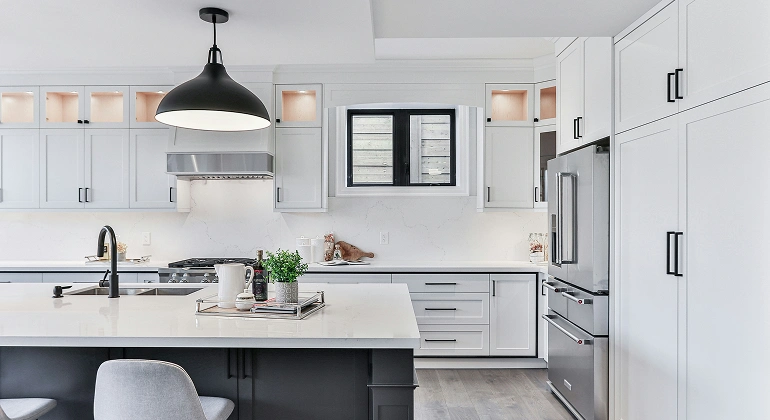
A well-planned budget is the foundation of a successful kitchen renovation. By taking a strategic approach to financial planning, homeowners can ensure their projects stay on track without sacrificing quality or design. JL Signature Builds works closely with clients to create realistic budgets that align with their goals, helping every renovation achieve maximum impact without overspending. Careful budgeting not only prevents financial surprises but also helps you make informed decisions throughout the renovation process.
Here are some practical strategies for effective budget planning:
- Get multiple quotes from contractors: Always compare estimates from at least three reputable contractors to understand the fair market rate for your project. Be cautious of unusually low bids, as they may indicate hidden costs or lower-quality workmanship.
- Prioritize must-haves vs. nice-to-haves: Identify the features that are essential for functionality, such as quality cabinets or durable countertops, and separate them from aesthetic upgrades that can be added later.
- Consider phased renovations if the budget is tight: If a full remodel isn’t financially feasible, break the project into stages. Start with high-impact upgrades like lighting or flooring, then move on to cabinets or appliances as funds allow.
- Track expenses using a renovation planner or spreadsheet: Keeping detailed records of all purchases, payments, and change orders helps you stay within budget and identify areas where savings are possible.
By following these tips and partnering with JL Signature Builds, homeowners can maximize their budget, reduce financial stress, and achieve a kitchen renovation that blends beauty, functionality, and long-term value.
Understanding kitchen renovation costs is the key to making smart decisions and avoiding financial surprises during your remodel. By learning what drives expenses, from materials and labor to layout and hidden costs, homeowners can plan more effectively and stay within budget. JL Signature Builds helps homeowners navigate these decisions, offering expert guidance on design, materials, and project planning to ensure renovations are both stylish and cost-effective. Successful kitchen renovations come from early planning, thoughtful material choices, and flexibility when adjustments are needed. Whether you’re upgrading a few features or tackling a full remodel, take the time to explore design ideas, request detailed quotes, and consult with trusted renovation professionals. With the right preparation and guidance from JL Signature Builds, you can create a kitchen that’s both beautiful and built to last.
Get Started Today
Understanding kitchen renovation costs is the first step toward creating a space you’ll love for years to come. Whether you’re planning a few upgrades or a full remodel, JL Signature Builds can help you balance style, function, and budget. Ready to get started? Contact JL Signature Builds today for a free consultation and discover how to bring your dream kitchen to life within your budget.