Installing a fence can completely change the look and function of your yard. Many homeowners choose to add a fence for practical reasons such as creating privacy, improving security, or keeping pets and children safe. Others see it as a way to boost curb appeal, add structure to their landscaping, or increase property value. No matter the motivation, a fence is both a functional and aesthetic investment in your home.
However, installing a fence requires more than simply picking a material and putting it up. Careful planning is essential to avoid common pitfalls such as boundary disputes, unexpected costs, or problems with local building codes. J.L Signature Builds provides professional guidance and expert installation to ensure your fence meets all requirements and is built to last. By understanding property lines, materials, installation methods, and overall expenses with J.L Signature Builds, you can avoid costly mistakes and enjoy the peace of mind that comes with a well-planned and well-installed fence.
Fence Installation
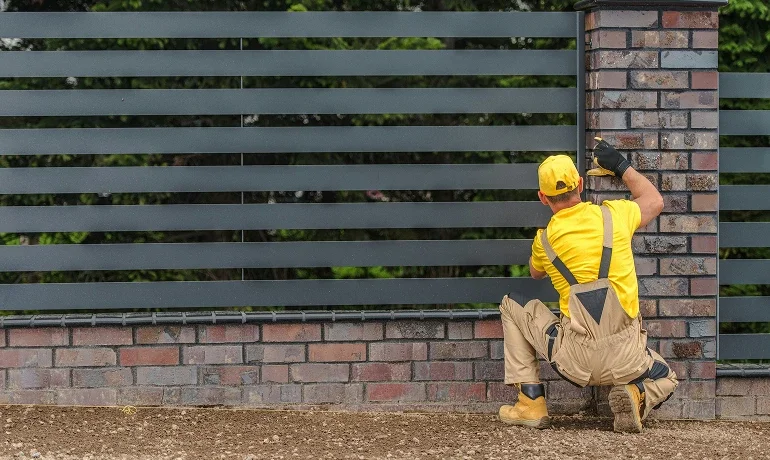
The process of fence installation involves several important steps that ensure the structure is durable, functional, and visually appealing. It begins with careful planning, where you determine the purpose of the fence, measure the area, and select the right material for your needs. Once the design is finalized, the installation typically includes marking the layout, digging holes for posts, setting the posts securely, attaching rails or panels, and adding finishing touches such as gates or decorative elements. Proper installation not only enhances the look of your yard but also guarantees that the fence stands strong against weather and daily wear. J.L Signature Builds provides professional installation that ensures every step is done correctly for a long-lasting, high-quality fence.
When deciding whether to handle the project yourself or hire a professional, it is important to weigh the pros and cons of each option.
DIY Installation:
- Lower upfront cost since you avoid labor fees.
- A rewarding project for those with the right tools and skills.
- Requires significant time, effort, and attention to detail to avoid mistakes.
Professional Installation:
- Experienced contractors can complete the job more quickly and efficiently.
- Ensures compliance with local building codes and property line regulations.
- Higher cost but often includes warranties or guarantees for workmanship. J.L Signature Builds offers expert installation with guaranteed quality and peace of mind.
Ultimately, the choice depends on your budget, timeline, and comfort level with construction. For homeowners who want peace of mind and a fence that is built to last, hiring a professional from J.L Signature Builds is often the most reliable option.
Property Lines
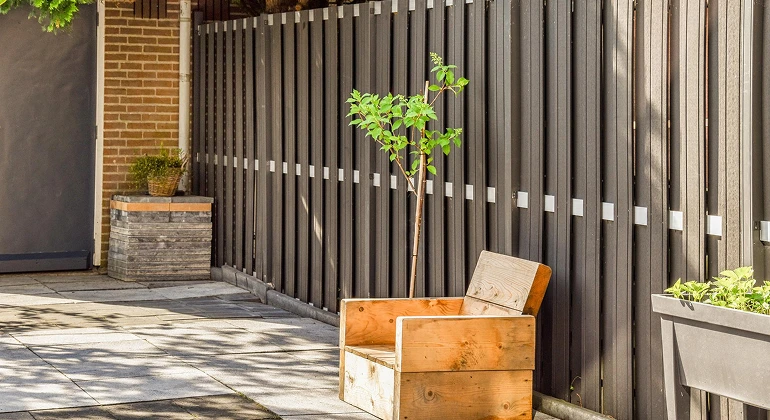
Before installing a fence, one of the most important steps is understanding where your property begins and ends. Building on the wrong side of a property line can lead to legal issues, neighbor disputes, and costly relocation of your fence. Knowing the exact boundaries ensures that your fence is placed correctly, protects your investment, and avoids unnecessary stress down the road.
To determine your property lines, you can use several reliable methods:
- Check your property deed or plat map for detailed boundary descriptions.
- Hire a professional land surveyor to mark exact measurements on your property.
- Review local government records at your county assessor’s or recorder’s office.
Taking these steps will give you clarity and prevent costly mistakes.
Clear property lines also play a key role in maintaining good relationships with neighbors. A fence built even a few inches over the boundary can create tension and may require removal or adjustment. By confirming the boundaries before starting construction, you not only avoid disputes but also show respect for your neighbor’s property. In some cases, neighbors may even agree to share costs if the fence benefits both sides, but this is only possible when property lines are clearly established.
Fence Line
The fence line refers to the exact placement of your fence in relation to your property boundaries. While property lines mark the legal limits of your land, the fence line is where the structure itself will sit. Understanding this distinction is important because the placement of your fence determines how much of your property remains usable and whether the installation complies with local regulations.
When it comes to positioning, there are a few common rules to consider:
- On the property line: In some areas, you are allowed to place your fence directly on the boundary, but this often requires a written agreement with your neighbor. This approach can maximize space but may lead to disputes if not handled properly.
- Inside your property: Many homeowners choose to install the fence slightly within their property line. This ensures full ownership and control of the fence while reducing the risk of encroachment issues. It also makes maintenance easier since you can access both sides without stepping onto your neighbor’s property.
- Local rules and HOA guidelines: Some municipalities or homeowners’ associations have specific regulations about how far back a fence must be placed, particularly along front yards or shared boundaries.
By clarifying your fence line before building, you can avoid misunderstandings, ensure compliance with local codes, and maintain good neighborly relations.
Local Building Codes & Local Codes
Before beginning a fence installation project, it is important to review local building codes and regulations. Many cities and counties require homeowners to obtain permits before building a fence, especially if it exceeds a certain height or is located near a street or sidewalk. These approvals help ensure that your fence meets safety standards and does not interfere with utilities or public spaces. Skipping this step can result in fines or even being required to remove the fence entirely.
Local codes also outline specific restrictions that homeowners must follow. These may include:
- Height limits: Some areas restrict backyard fences to six feet and front yard fences to three or four feet.
- Material restrictions: Certain neighborhoods may prohibit chain link, barbed wire, or specific materials for aesthetic or safety reasons.
- Setback rules: Fences often must be placed a certain distance from sidewalks, roads, or neighboring structures.
If your property is part of a homeowners’ association (HOA), you will also need to review its guidelines. HOAs often have stricter requirements regarding fence style, color, and placement to maintain a uniform look in the community. Failing to comply with HOA rules can lead to penalties or being forced to modify your fence after installation.
Taking the time to understand and follow local building codes and HOA guidelines will save you money, stress, and potential legal issues. It also ensures your new fence enhances your property without violating community standards.
Fence Layout
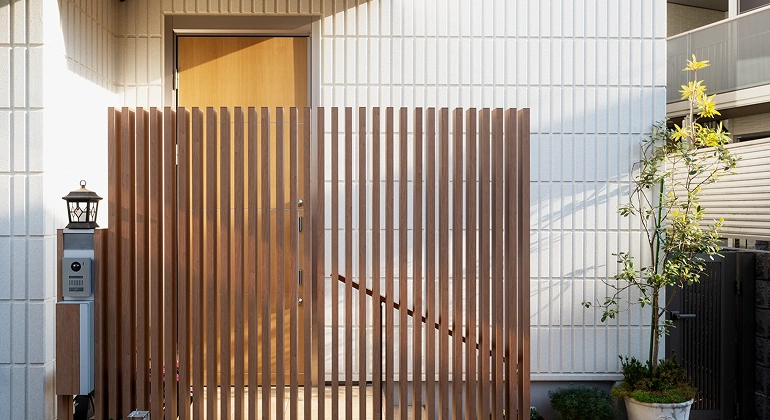
A well-thought-out fence layout is essential to making sure your new fence serves its intended purpose while complementing your property. Before construction begins, it is important to plan the placement, style, and function of your fence. For example, if your goal is privacy, you may want taller panels with minimal gaps, while a decorative or garden fence can be shorter and more open. The layout should balance aesthetics with practicality, creating a design that adds value and meets your needs.
When designing the layout, several important factors should be considered:
- Gates and entry points: Plan where gates will be placed for easy access to driveways, backyards, or garden areas. Make sure they are wide enough to allow for equipment such as lawnmowers or vehicles if necessary.
- Driveways and walkways: Ensure the fence does not block access or visibility, especially if it is near a street or alley.
- Landscaping features: Take trees, shrubs, or garden beds into account so the fence does not interfere with existing plants or future landscaping plans.
- Utility lines and easements: Always check for underground gas, water, or electrical lines before digging post holes. In many cases, utility companies will mark these lines upon request to prevent accidents.
By carefully mapping out the fence layout, you create a design that is not only functional but also enhances the overall flow and appearance of your yard. Thoughtful planning now can save time, money, and frustration during installation.
Fence Posts
Fence posts are the backbone of any fence, and how they are set will determine the strength and longevity of the entire structure. Properly installed posts provide stability, resist shifting from wind or soil movement, and keep panels or rails aligned over time. If posts are not set correctly, the fence may lean, sag, or even collapse, leading to costly repairs.
When choosing and installing fence posts, you will need to consider both materials and installation methods:
- Wood posts: Affordable and versatile, but they require sealing or treatment to resist rot and insect damage.
- Metal posts: Strong and low-maintenance, often used with chain-link or metal panel fences. They are resistant to rot but may require coatings to prevent rust.
- Concrete setting: Many homeowners set posts in concrete to ensure durability. This method keeps posts firmly anchored and adds resistance against strong winds.
Spacing between fence posts also plays a critical role in the fence’s performance and appearance.
- Too far apart: Panels may sag, rails can warp, and the fence loses structural strength.
- Too close together: This increases material costs unnecessarily and can make the fence look crowded.
- Standard spacing: Generally, posts are placed 6 to 8 feet apart, depending on the type of fence and material used.
By carefully selecting materials, securing posts properly, and maintaining correct spacing, you can build a fence that is both durable and visually appealing.
Metal Fences
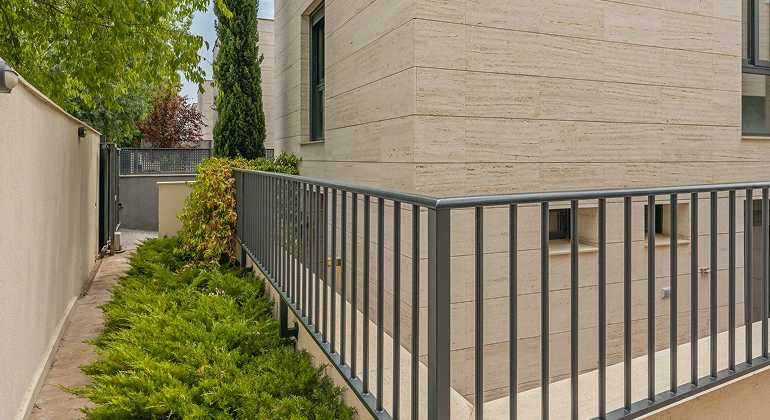
Metal fences are a popular choice for homeowners who want a durable and long-lasting option. Unlike wood, which can warp, rot, or attract pests, metal provides strength and resilience against the elements. A properly installed metal fence requires little upkeep and can last for decades with minimal maintenance. In addition to longevity, metal fencing offers excellent security, making it ideal for homeowners who want to protect their property while maintaining an attractive appearance.
Some of the most common types of metal fences include:
- Wrought iron: Known for its timeless elegance and strength, wrought iron fences add a decorative, upscale look while providing security. They do require periodic painting or coating to prevent rust.
- Aluminum: A lightweight and rust-resistant option, aluminum fencing offers the look of wrought iron at a lower cost and with less maintenance.
- Chain link: Affordable and practical, chain link fences are widely used for securing backyards, gardens, and commercial properties. While not the most decorative option, they are highly functional and can be enhanced with vinyl coatings or privacy slats.
When comparing costs, metal fences can vary depending on the material chosen.
- Wrought iron is typically more expensive than wood or vinyl but offers unmatched durability and a classic look.
- Aluminum falls in the mid-range, often costing more than wood but less than wrought iron.
- Chain link is usually the most affordable option, often cheaper than wood or vinyl.
Overall, while the upfront cost of metal fencing may be higher than some alternatives, the long-term value comes from its durability, low maintenance, and security benefits. For homeowners seeking strength and style, metal fences are a smart investment.
Building a Fence
Constructing a fence requires preparation, the right materials, and attention to detail. Having the necessary tools and supplies ready before you begin will make the process smoother and more efficient. Some of the most commonly used items include:
- Tools: Post-hole digger, level, tape measure, saw, drill, hammer, and string line.
- Materials: Fence posts, rails or panels, nails or screws, concrete mix, and protective coatings if using wood.
Once your materials and tools are gathered, you can begin the building process. The basic steps usually include:
- Marking the layout: Use stakes and string to outline where the fence will go.
- Digging post holes: Ensure the depth is sufficient for stability, usually one-third the height of the post.
- Setting posts: Place posts in the holes, fill with concrete or tamped soil, and check for alignment.
- Attaching rails or panels: Secure horizontal rails or pre-assembled panels to the posts.
- Adding gates and finishing touches: Install gates where needed and apply paint, stain, or sealant for protection.
During construction, it is easy to make mistakes that can affect the durability and appearance of the fence. Some of the most common issues to avoid include:
- Setting posts too shallow, leading to leaning or instability.
- Misaligning posts or panels, which creates uneven sections.
- Ignoring slope or terrain changes, causing gaps at the bottom of the fence.
- Using the wrong materials for your climate, which may shorten the fence’s lifespan.
By planning carefully, using quality materials, and following each step methodically, you can build a sturdy, attractive fence that will last for years.
New Fence
After investing time and money into a new fence, proper maintenance is essential to keep it looking good and performing well for years to come. Even the most durable materials benefit from routine care, and a consistent maintenance plan will prevent early wear and costly repairs. Regular upkeep not only protects the fence but also preserves your property’s curb appeal.
Here are a few tips for maintaining and protecting your new fence:
- Inspect regularly: Check for loose nails, leaning posts, or damaged sections at least once or twice a year.
- Clean as needed: Remove dirt, mildew, and debris to prevent buildup that can cause deterioration.
- Protect from moisture: Ensure water drains away from the base of the fence to avoid rot or rust.
The type of fence material you choose will also determine the best protective treatments:
- Wood fences: Benefit from painting, staining, or sealing every few years to prevent rot, warping, and insect damage.
- Metal fences: Should be checked for rust; applying rust-resistant coatings or touch-up paint helps maintain strength and appearance.
- Vinyl fences: Require minimal maintenance but should still be washed periodically to remove dirt and mildew.
Long-term upkeep extends the lifespan of your fence significantly. This includes trimming back vegetation that may push against the fence, tightening hardware to prevent sagging gates, and addressing small repairs promptly before they become bigger problems. With the right care, your new fence can remain strong, attractive, and functional for decades.
Overall Cost
The overall cost of installing a fence can vary widely, and understanding what drives the price will help you plan your budget more effectively. Several factors influence the final cost, including:
- Material: Wood, vinyl, and chain link are generally more affordable, while aluminum and wrought iron tend to be more expensive.
- Size of the project: Larger yards or taller fences require more materials and labor, increasing the total cost.
- Labor: Professional installation adds to the expense but ensures a sturdy and compliant fence. DIY installation can save money but may require extra tools and time.
- Permits and fees: Some municipalities require building permits, which add to the overall cost.
On average, homeowners can expect different price ranges depending on the type of fence:
- Chain link: $10 to $20 per linear foot, making it one of the most affordable options.
- Wood: $15 to $30 per linear foot, depending on the type of wood and finish.
- Vinyl: $20 to $40 per linear foot, offering durability with minimal maintenance.
- Aluminum: $25 to $50 per linear foot, providing strength and style.
- Wrought iron: $30 to $60 or more per linear foot, often the most expensive but also the most durable and decorative.
To manage expenses, consider these cost-saving strategies:
- Compare materials: Choose an option that balances durability with affordability.
- Get multiple quotes: Hiring the right professional at a competitive rate can reduce costs.
- Do partial DIY: Handle simpler tasks like clearing the area or staining wood while leaving the complex installation to professionals.
- Plan: Avoid rushed projects that may lead to higher labor costs or permit issues.
By evaluating these factors and planning carefully, you can install a fence that meets your needs without exceeding your budget.
Install a Fence: Final Checklist
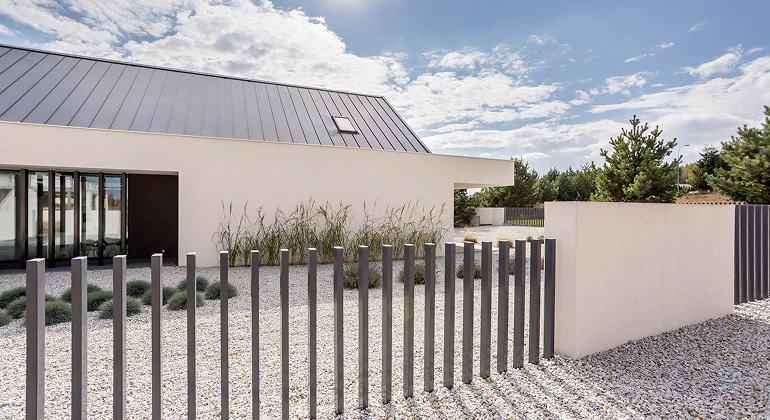
Before moving forward with your fence installation, it is important to review a final checklist to make sure everything is in order. This step ensures that your investment is protected and that the project runs smoothly from start to finish. Skipping even one of these considerations can lead to costly mistakes or unnecessary delays. J.L Signature Builds helps homeowners navigate these steps to ensure a successful and worry-free installation.
Here are the most important points to double-check before you begin:
- Property lines and permits: Confirm your exact property boundaries and secure any required permits from your local municipality. This will help you avoid legal disputes and ensure your fence complies with building codes.
- Material selection: Choose a fence material that matches your goals, whether it is privacy, security, aesthetics, or low maintenance. Wood, vinyl, and metal each offer unique benefits and costs.
- Layout, posts, and gates: Review your layout carefully, ensuring that posts are properly spaced, gates are wide enough for access, and the design fits your yard’s shape and needs.
- DIY vs. professional help: While DIY can save money, it requires skill, tools, and significant time. Hiring a professional from J.L Signature Builds provides peace of mind, as their experience ensures the fence is secure, code-compliant, and built to last.
Taking the time to finalize these details will make the installation process smoother and give you confidence that your new fence will serve its purpose for many years. For most homeowners, working with J.L Signature Builds is the best way to guarantee a fence that is both durable and beautifully finished.
Installing a fence requires thoughtful planning to ensure it is durable, attractive, and compliant with local regulations. Key considerations include confirming property lines, following building codes, choosing the right material, planning the layout, and budgeting for both installation and long-term maintenance. By balancing function, style, cost, and community rules, and working with professionals from J.L Signature Builds when needed, you can create a fence that enhances your property, provides security or privacy, and delivers lasting value.